Reading

Becoming a highly engaged reader is the key to unlocking a child's future potential.
Reading Framework, 2023.
Parkview is commited to ensuring that every child is able to learn to read, as pupils who find it difficult to learn to read are likely to struggle across all areas of the curriculum.
Early Reading and Phonics in Our Nursery
Reading for nursery-aged children is based upon the Development Matters curriculum - Development Matters - GOV.UK - where the focus is upon listening skills. For example, recognising syllables in words and/or or recognising words with the same initial sound. Adults strive to promote a love of reading through daily story time, rhymes, song and through carefully chosen books within the environment and in classroom reading corners. We want every child in Nursery to love stories, to love words and to love reading!
In a child's last term in Nursery, we start to use Read Write Inc. Phonics for Nursery program. This supports pre-school children’s literacy progress, including developing their language through storytimes and teaching phonics.
Early Reading and Phonics in Our Reception Class
Children's phonetical understanding is assessed within their first two weeks of starting Reception. This enables us to teach children their phonic sessions in small groups, focussed on your child's level and gaps in learning.
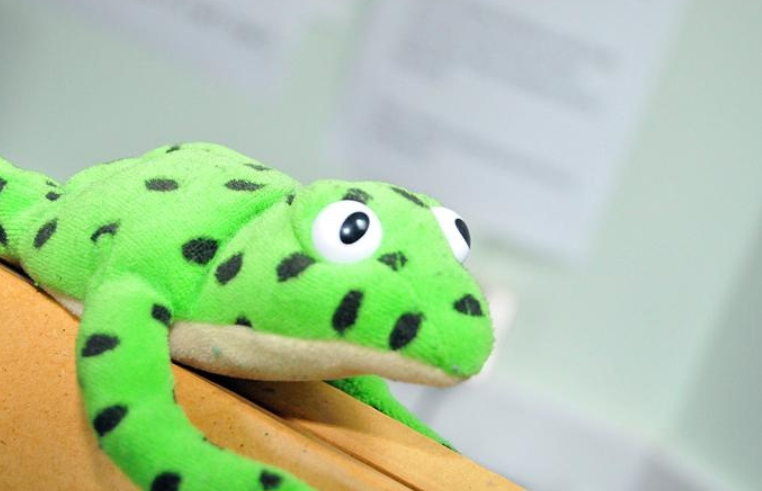
Phonics is taught daily in Reception using the Read Write Inc scheme and our friend, Fred the frog!
Reading & Phonics in Key Stage One
Children in Key Stage One are taught phonics explicitly every day using Read Write Inc scheme. The children are taught in small groups by our team of experienced and well-trained teachers and teaching assistants. Children are regularly assessed to ensure that they progress well and are on track to reach national expectations by the end of Year One, when they will sit their Phonics Screening Check.
Reading is also embedded within our wider curriculum, where a quality reading spine and daily story time exposes the children to a wide variety of texts, themes, characters and settings.
Unsure of how to support your child at home with phonics? The video below demonstrates how we teach the sounds at Parkview:
Whatever pupils’ socio-economic background, making sure that they become engaged with reading from the beginning is one of the most important ways to make a difference to their life chances.
The Reading Framework, 2023
Phonics Screening Check Year 1
At the end of Year 1, all pupils will complete a phonics check. More information for parents can be found here:
What if my child doesn't pass the Phonics Screening Check Year 1?
Children who do not pass this check will receive intense, interventional support during and after the school day. If children do not meet the expected reading standard by the end of Year 2, they are supported as they move to the next Key Stage with a personalised plan, aimed to quickly close their gaps in reading.
Reading in Key Stage Two
Reading in Key Stage 2, is primarily taught through a dedicated daily session. The first day is a class reading session, modelled by the teacher, exposing children to high-quality reading skills.
During the following four sessions, the children focus on a different reading skill, based on the teacher's assessment of the class needs and what whole school data is showing us.
A daily class read, using well thought-out texts, is also carried out for pure enjoyment!
Poetry
Poetry is imaginative and helps us to make sense of the world. It is a creative and cultural activity, providing an opportunity for pupils to explore the world, people from other places, times and cultures, and to examine differences and similarities with their own environment. We intend for our pupils to deepen their understanding of language and enrich learning in subjects across the curriculum through poetry. At our school, each reading unit starts with poetry to ensure it is at the forefront in the learning and appreciation of language.
Reading across the Curriculum
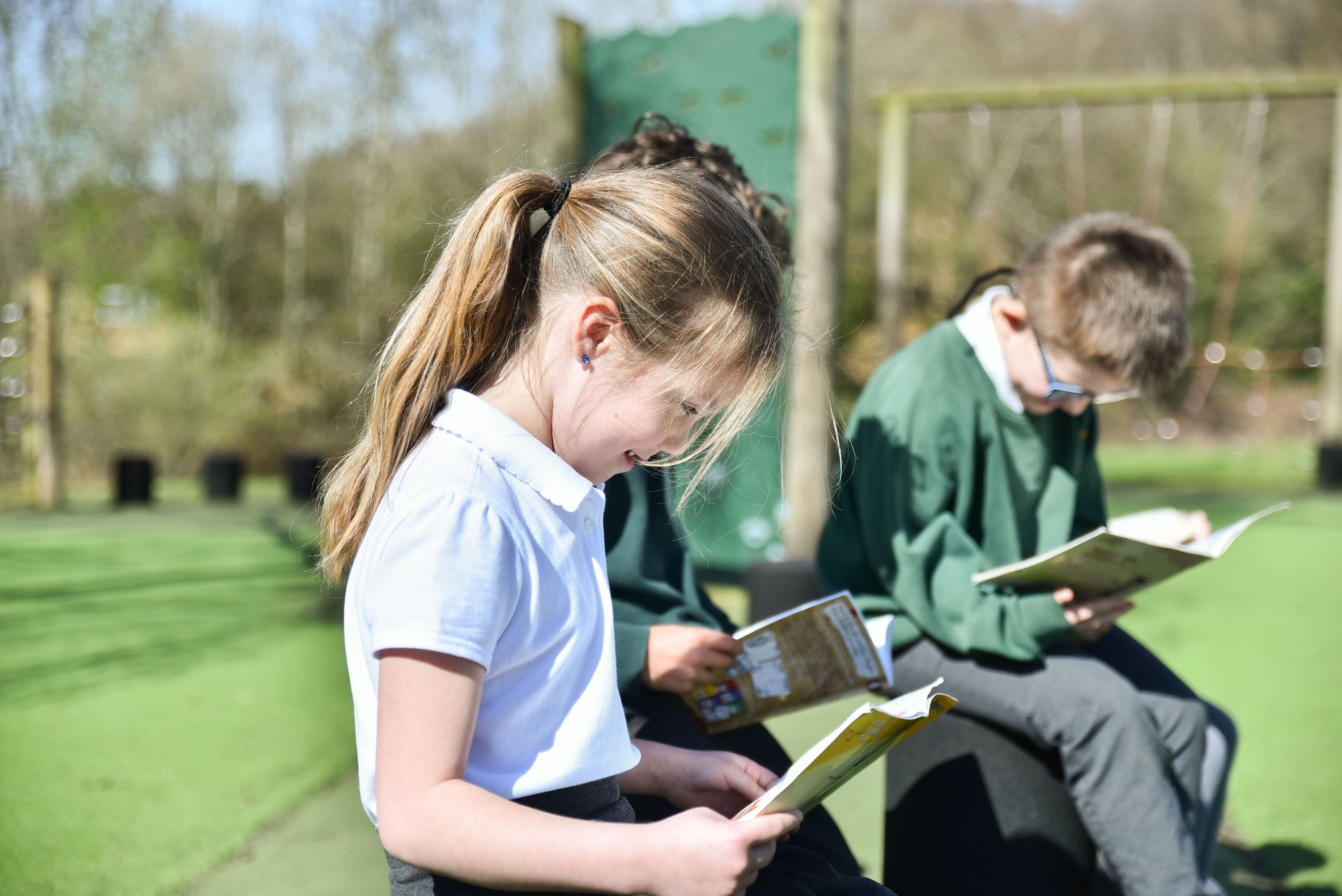
Quality texts are used in all curriuclum areas. High quality, subject-specific vocabulary is planned for and taught progressively in all subject areas. Book corners in each classroom have links to wider curriculum areas and include fiction, non-fiction and poetry choices.
Closing the vocabulary Gap
Vocabulary is a huge predictor of how far children from any background will succeed at school and beyond. Hart, B. and Risley, T. (2003) ‘The Early Catastrophe – The 30 Million Word Gap by Age 3.
There is a specific focus at Parkview on closing the vocabulary gap for children starting school with less experience of a language-rich environment.
Vocabulary is a huge predictor of how far children from any background will succeed at school and beyond. The words they know will help them to read, understand, gain new perspectives, and change or confirm their world view. The words they use will give them precision, clarity, nuance, as well as being used to judge them in exams, in life.
Fresh Start
Read Write Inc. Fresh Start supports struggling readers aged 9 and above to accelerate reading progress. This is an intervention, delivered outside of the normal reading lesson, to support pupils' with their individual areas of learning in reading.
Further information for parents about reading:
10 things to think about when you read to your child
http://schools.ruthmiskin.com/training/view/PzUKxpIS/luwYTWNI

How to say the sound
http://schools.ruthmiskin.com/training/view/i4kMVSEp/rPDt3oCj