Spelling, Punctuation and Grammar
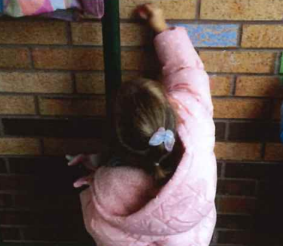
Children begin their spelling learning journey, right down in Nursery! Here, pupils look at initial sounds in words, particularly in their own name. A practical approach is used to develop this understanding, e.g going on 'sound walks', talking about rhyming words and playing fun games like 'I spy'. Children access resources, which support the spelling journey, daily. For example, in continuous provision, the outdoors and tools like magnetic letters. If children at this stage are able to do so, oral blending and segmenting is encouraged.
In Reception, a child's Read Write Inc phonic journey starts. This not only helps them learn to read but gives them the skills to spell. Child need to complete this programme in order to move onto formal spelling lessons.
Spelling Shed - The Science of Spelling!

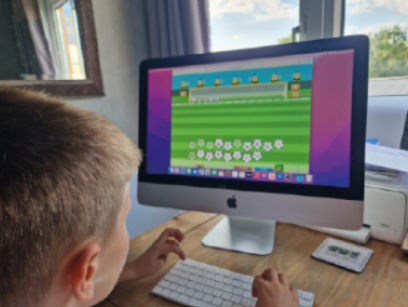
Parkview Primary School follows the Spelling Shed scheme for spelling. This scheme was chosen as it is based on cutting-edge research into the teaching of spelling. Spelling Shed's approach to spelling involves the relationship between sounds and written symbols as well as using morphology to help spell through meaning. This is a progressive model, using interactive computing games, allowing consolidation and regular opportunities to recap on previous learning.
Common Exception Words
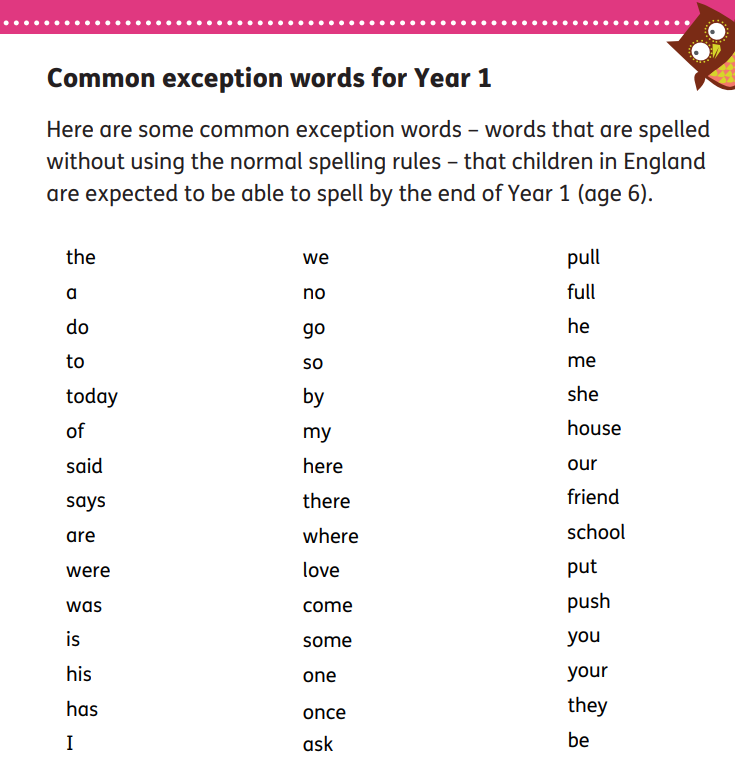
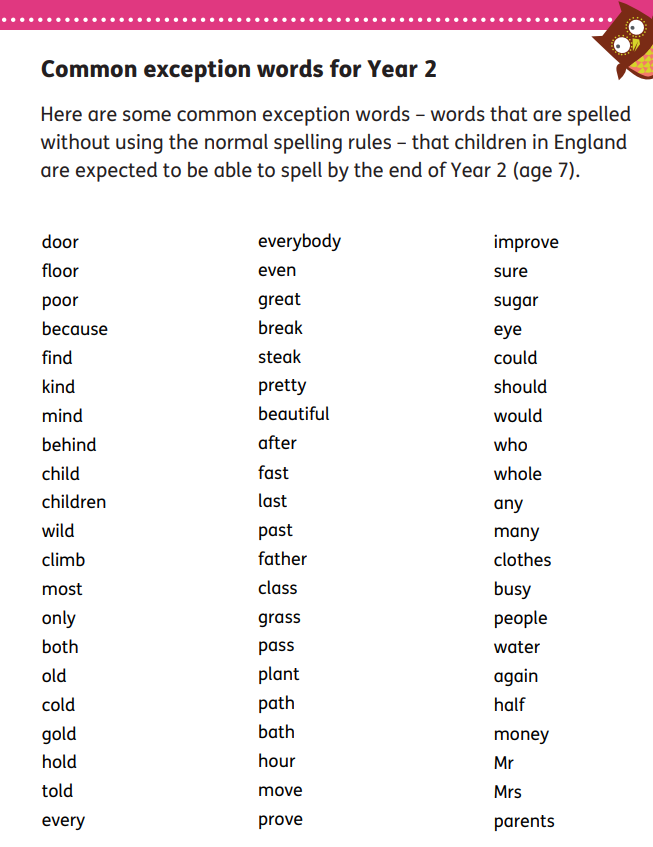
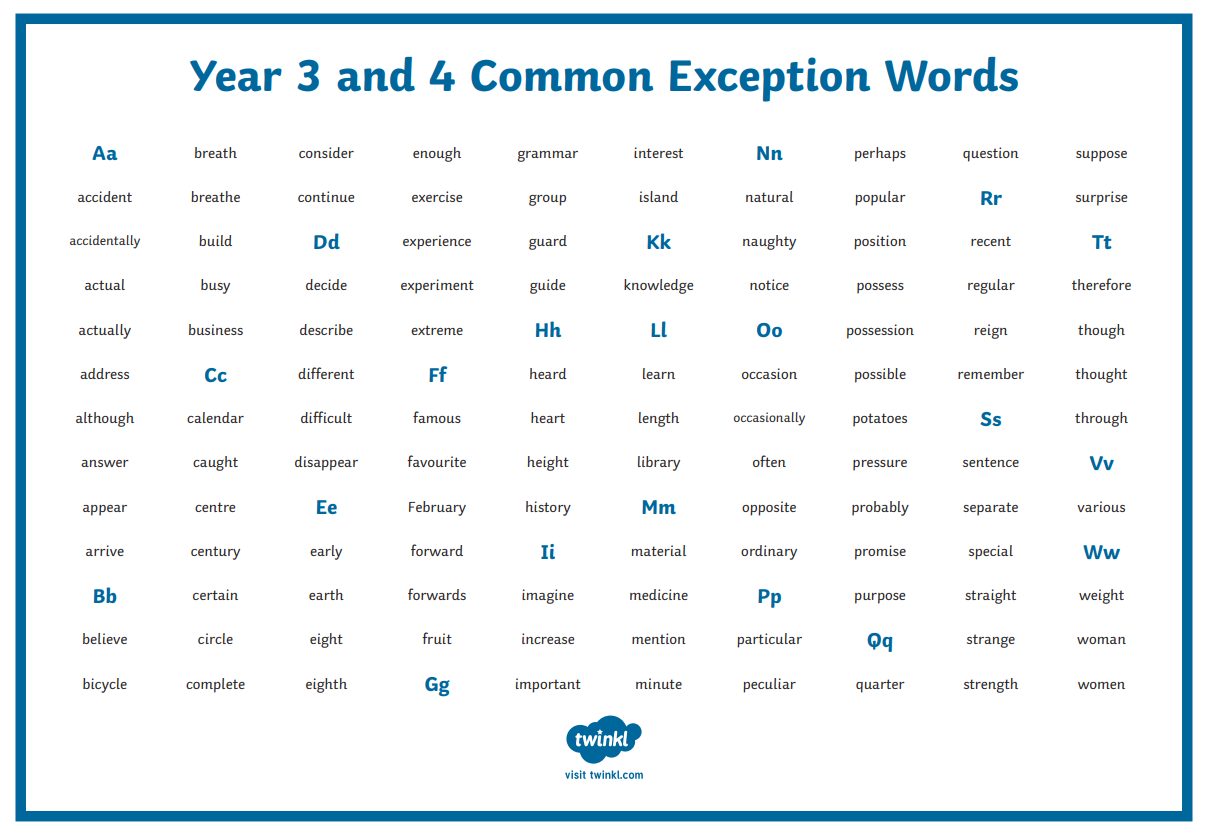
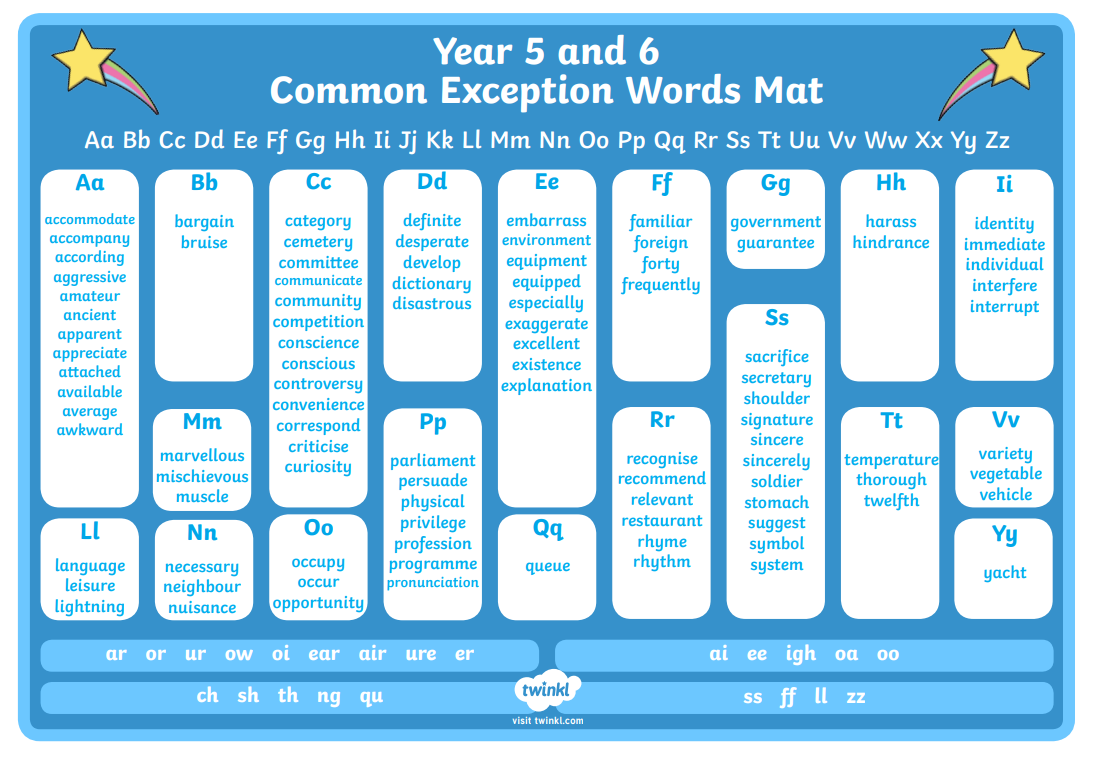
There are some words which cannot be taught using normal spelling rules. The Spelling Shed programme has a 6 weekly 'Challenge Week' which focusses on these.
You will see these below:
Common Exception Words for Year 1 Pupils
Common Exception Words for Year 2
Common Exception Words for Years 3 & 4
Common Exception Words for Years 5 & 6
What if my child struggles with spelling?
Your child's class teacher will do everything they can in lessons to support your child with this, and if they feel it is needed, they will use something called the Nessy Reading and Spelling program with them. These are sessions delivered as an intervention, outside of normal learning times.
The program begins with systematic synthetic phonics, which has been proven to be the best way to instruct early readers. As literacy skills develop, students advance to instruction in spelling, morphology, vocabulary and comprehension. Independent research has shown the program to be effective in developing spelling skills.
You can find more information by clicking on the image below!

Whole School Progression of Punctuation & Grammar Skills
A whole school overview of the 'Punctuation & Grammar' elements taught within each year group (including how these link to the end of KS2 assessments completed by our Year 6 pupils) is below.